Representation across the lease.
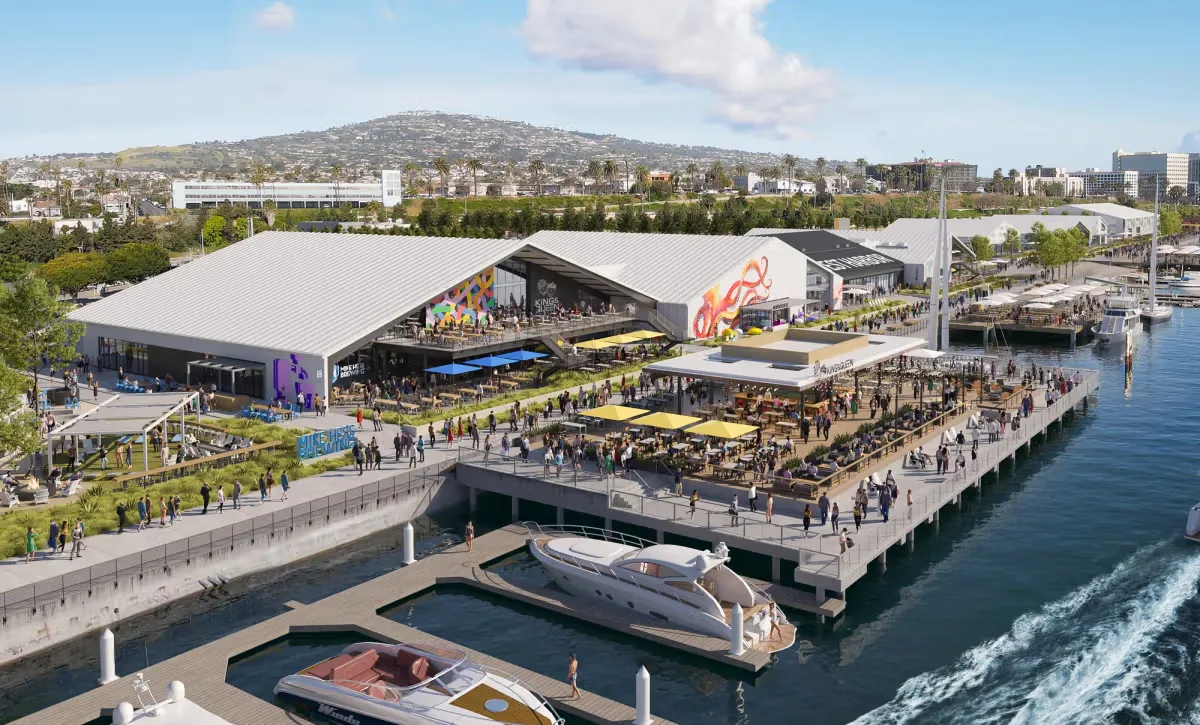
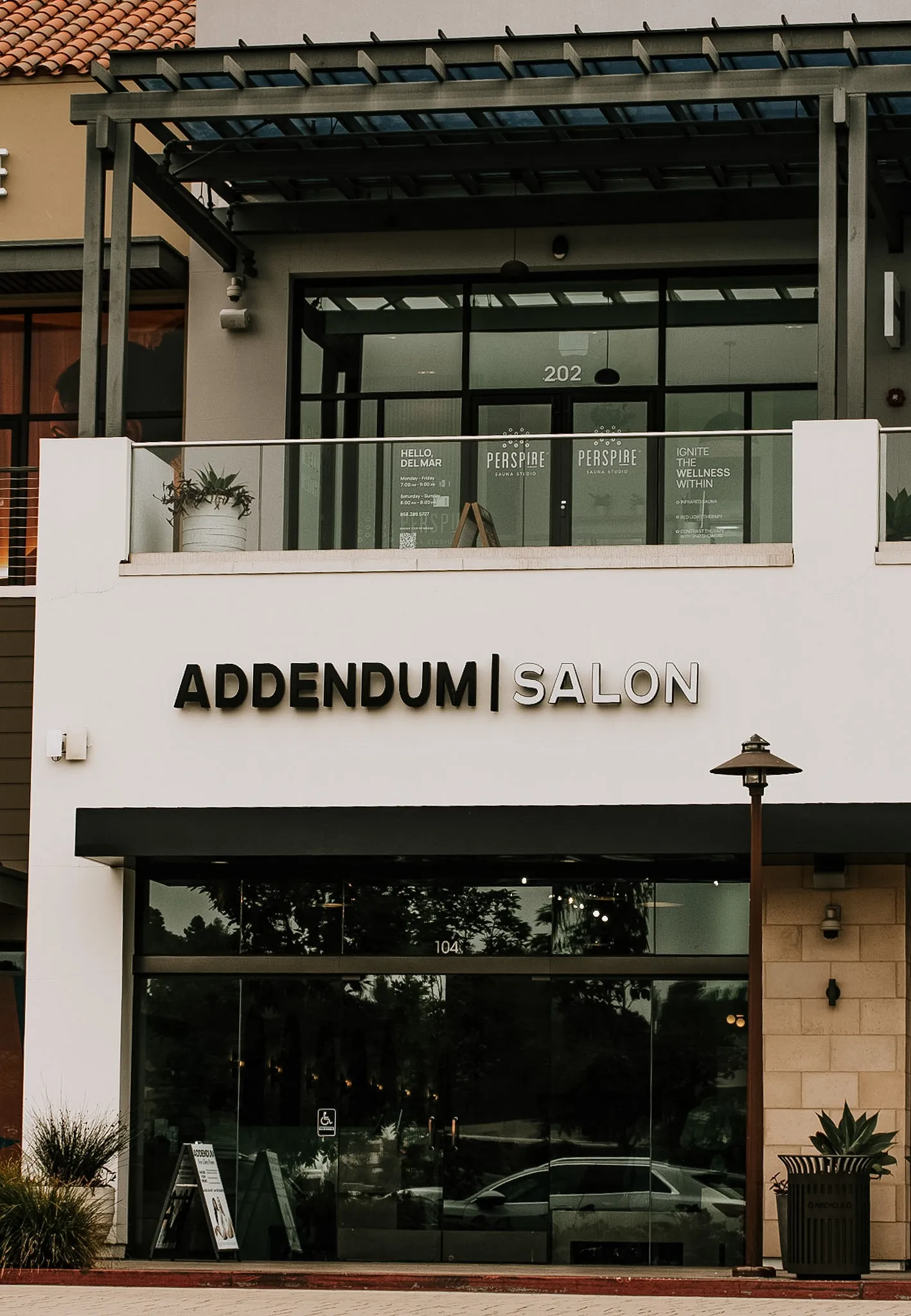
Three practice areas, applied across waterfront, mixed-use, and high-street assets. We represent owners of destination retail, guide national and emerging brands on site selection and expansion, and counsel landlords on landmark properties under repositioning. Senior attention, the operator's perspective, and the discretion the work demands.
Curating the tenants that make the place.
For owners, the engagement covers the full arc of leasing: positioning the asset, pursuing the right tenants, and negotiating leases that protect both rent roll and merchandising integrity. We work with institutional landlords, developers in pre-leasing, public agencies, and owners of landmark properties that don't fit conventional categories.
We read prospects the way an operator reads them: not just for what they'll pay, but for how they'll perform and how they'll shape the place. The work isn't to fill a center. It's to curate a mix that holds up.
Where to land, and how to grow.
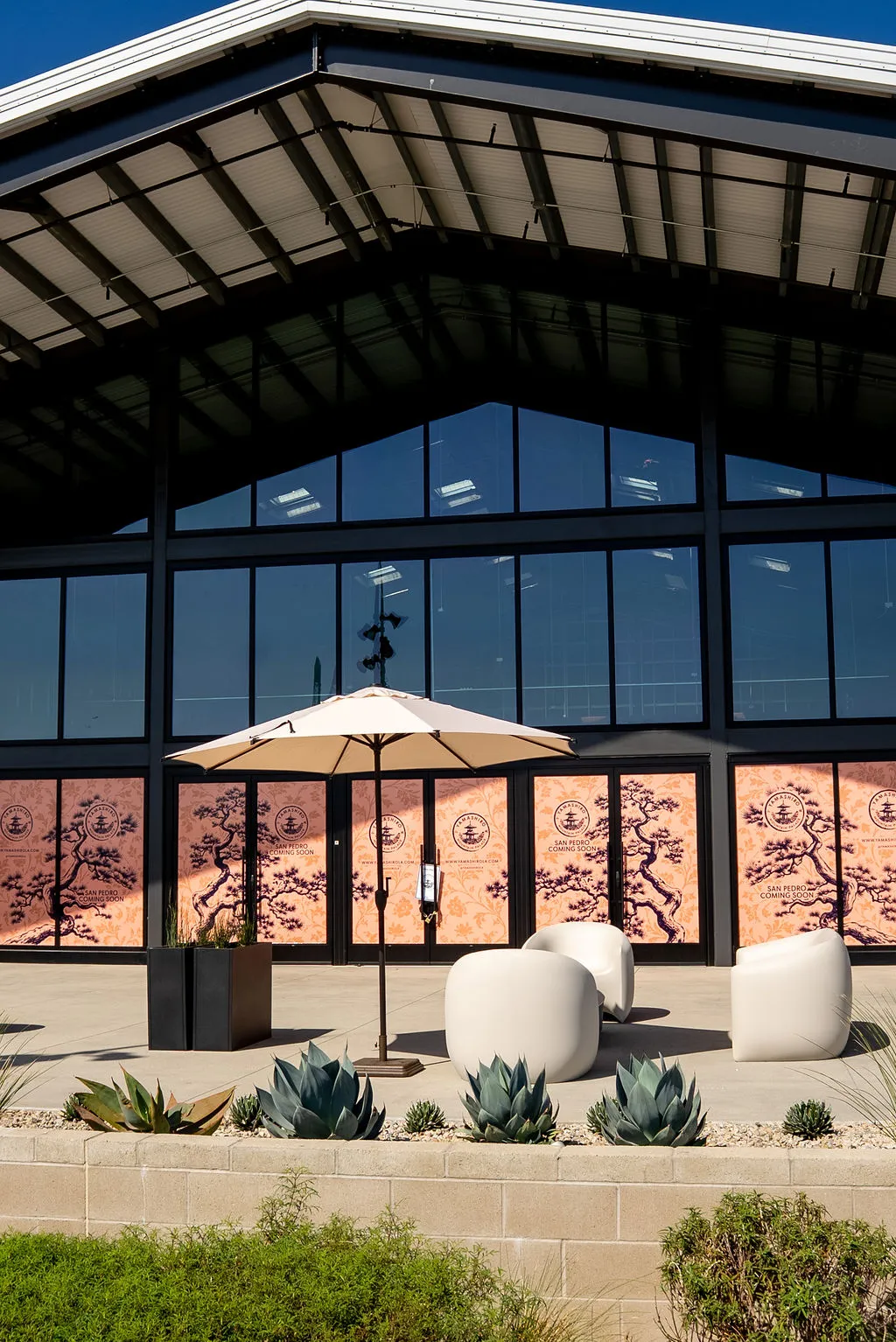
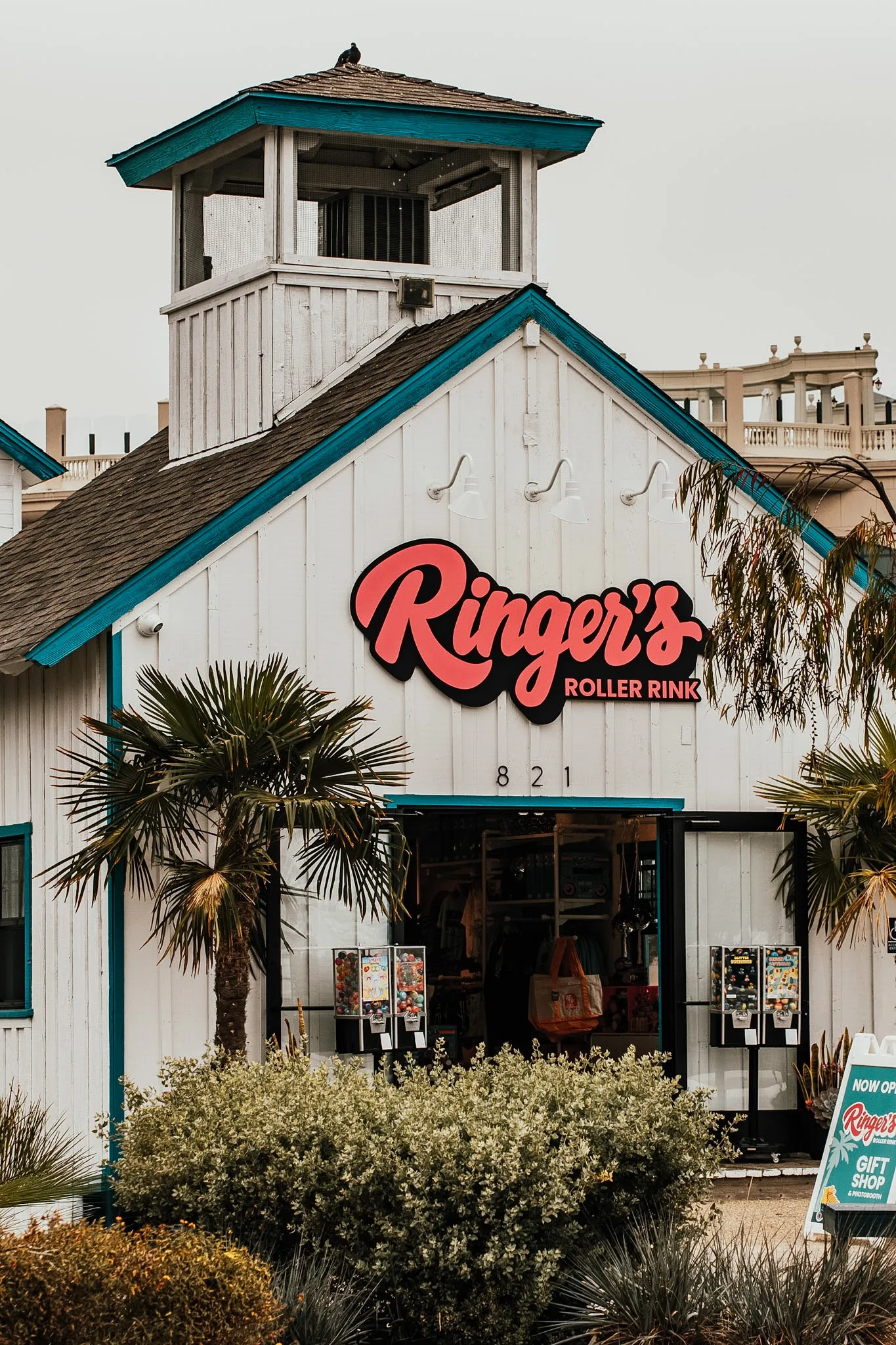
For brands, the engagement spans the immediate location decision and the longer-arc expansion strategy: market entry, site selection and tour, lease negotiation, and the roadmap for brands moving from one location to many. We work with national brands entering or scaling in Southern California, and with emerging concepts opening their first or next door.
A good site isn't just one with foot traffic and a fair lease. It's one where the surrounding tenants pull the same visitor, where the place identity matches the brand identity, and where a brand can become part of the neighborhood rather than a temporary occupant. We've sat on the operator's side of the lease. We know what makes a brand work in a place, not just what makes a place available.
Strategy for the harder cases.
This is the work that begins before the leases. Sometimes before the property is even acquired. Advisory engagements cover acquisition due diligence, pre-leasing strategy for new developments, repositioning plans for underperforming centers, and the merchandising vision that has to be set before construction begins.
These engagements share one trait: the path forward isn't obvious. Filling the GLA at market rents doesn't answer it, because the work is to define what the place should be, not just how it should be leased. Repositioning is a judgment problem before it's a leasing problem. Our job is to bring the judgment first, then execute the leasing strategy that follows.
Across both sides of the lease.